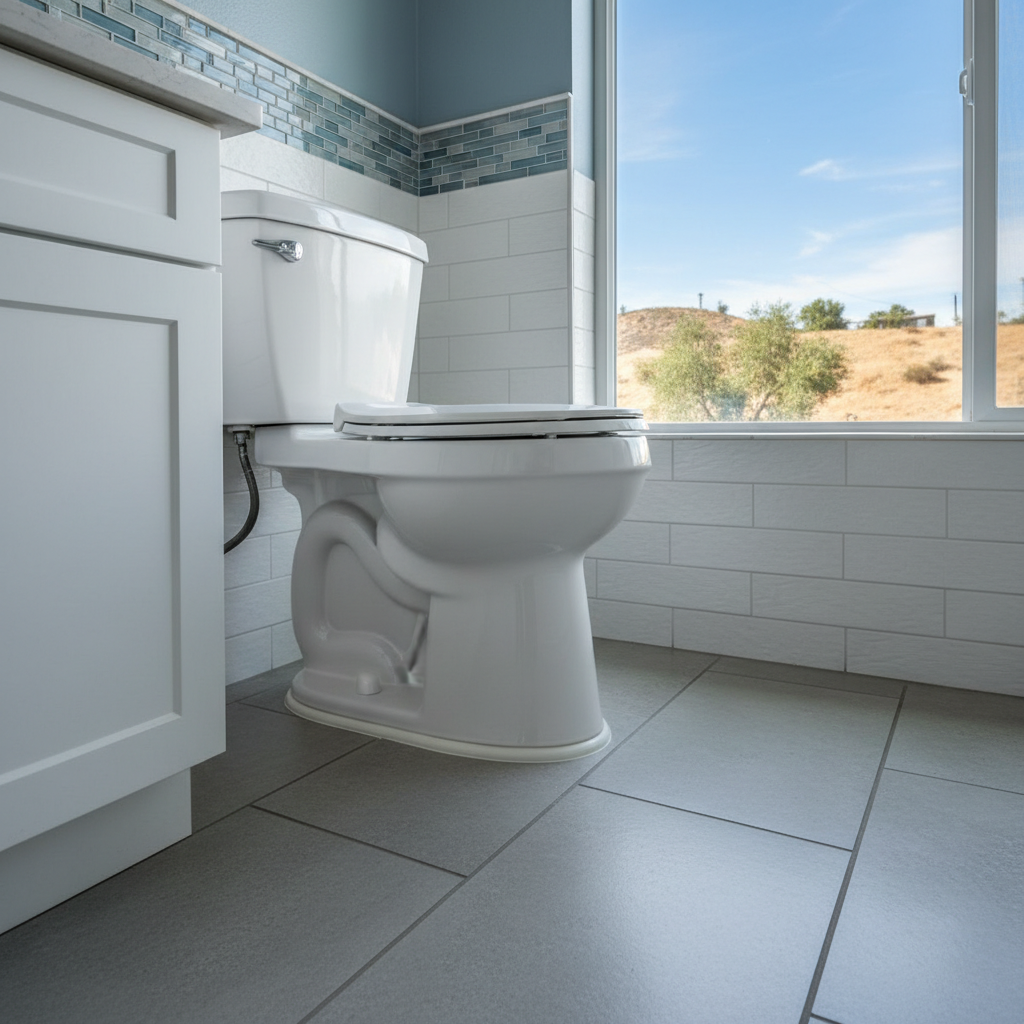
Do I really need a professional for toilet installation? Can't I just DIY it?
Look, I get it. You're handy, you've watched a few YouTube videos, and you think, "How hard can it be?" And for some folks, a basic swap might go smoothly. But here's the deal: a toilet isn't just a simple fixture. It's connected to your home's water supply and your waste line. A small mistake can lead to a big mess – think leaks, water damage, or even a wobbly toilet that's a pain to use and could eventually cause structural issues.
We've seen it all. From cross-threaded supply lines that drip constantly to toilets not properly sealed to the flange, causing sewer gas smells. And let's not forget the old, corroded bolts that snap off, turning a 30-minute job into a full-day headache. A professional, like us at Azusa Bathroom Solutions, has the right tools, the experience to anticipate problems, and the know-how to make sure it's installed correctly, sealed tight, and won't give you grief down the road. It's about peace of mind, really.
How much does a new toilet installation usually cost in Azusa?
That's the million-dollar question, right? It's not a one-size-fits-all answer, because a few things play into the final price. First, there's the toilet itself. You can find basic models for under $200, or you can go high-end with features like dual flush, comfort height, or even bidet seats built-in, which can run you $500 to over $1,000. Then there's the labor. If it's a straightforward swap – old toilet out, new toilet in, no surprises – you're generally looking at a few hundred bucks for installation. This usually covers removing and disposing of the old toilet, installing the new one, and testing it thoroughly.
Where costs can jump is if there are complications. Is your flange damaged or corroded? Does the subfloor need repair from a previous leak? Are we dealing with old, galvanized pipes that need some coaxing? Sometimes, especially in older Azusa homes, the existing plumbing might not be up to snuff, or the floor around the toilet might need shoring up. These unexpected issues add time and materials, so always factor in a little wiggle room for the unexpected. A good contractor will give you a clear breakdown of costs and discuss any potential issues before they become big problems.
What are the main types of toilets, and which one is best for my home?
When you walk into a home improvement store, it can feel like there are a million choices. But it boils down to a few key types. You've got your standard two-piece toilets, where the bowl and tank are separate. These are generally the most affordable and easiest to repair if a part in the tank goes bad. Then there are one-piece toilets; the tank and bowl are molded together. They look sleeker, are easier to clean because there are fewer crevices, but they're usually heavier and a bit pricier.
Beyond that, you'll look at flush types. Gravity-fed are the most common, using water weight to create the flush. Pressure-assisted toilets use compressed air to create a powerful flush, great for commercial settings or homes with frequent clogs, but they can be noisier. Then there's the height: standard height or comfort height (also called ADA compliant), which is a few inches taller and easier on the knees for many adults. For most Azusa homes, a good quality, water-efficient two-piece or one-piece gravity-fed toilet with a comfort height bowl is often the best blend of performance, style, and value.
My toilet keeps running. Is that a big deal, or just annoying?
It's definitely a big deal, and not just because it's annoying. A running toilet is a water waster, plain and simple. It can silently add hundreds, even thousands, of gallons to your water bill every month. In a place like Azusa, where water conservation is always on our minds, that's money literally going down the drain. Plus, it puts unnecessary wear and tear on the toilet's internal components, meaning you'll need repairs sooner.
Usually, a running toilet is caused by a faulty flapper that isn't sealing properly, a float that's set too high, or a fill valve that's not shutting off completely. Sometimes it's a quick fix you can do yourself, like adjusting the float. Other times, you need to replace the flapper or the entire fill valve assembly. If you're not sure, or if you've tried the simple fixes and it's still running, give us a call. We can diagnose it quickly and get it fixed right, saving you water and money.
What's the deal with water-efficient toilets? Do they actually work?
Absolutely, they work! The days of having to flush twice with a low-flow toilet are pretty much over. Modern water-efficient toilets, often labeled as High-Efficiency Toilets (HETs), use 1.28 gallons per flush (gpf) or less, compared to older models that used 3.5 gpf or even 5 gpf. That's a huge difference for your water bill and for the environment.
Manufacturers have gotten really smart about bowl design and flush technology. They use larger trapways, better glazing, and more powerful siphoning action to ensure a clean flush with less water. Many even offer dual-flush options, giving you a choice between a lighter flush for liquid waste and a full flush for solid waste. For any new installation, especially here in Southern California, I always recommend going with a water-efficient model. You'll save money, and you'll be doing your part for water conservation.
How long does a toilet installation typically take?
For a standard toilet replacement – meaning we're just swapping out an old toilet for a new one in the same spot, with no major plumbing or floor issues – it usually takes about 1 to 2 hours. That includes removing the old toilet, cleaning up the area, installing the new wax ring and bolts, setting the new toilet, connecting the water supply, and testing everything thoroughly. We also take care of hauling away your old toilet, so you don't have to worry about it.
Now, if we run into those unexpected issues I mentioned earlier – a damaged flange, subfloor rot, or tricky old shut-off valves – it can obviously take longer. Sometimes an extra hour, sometimes half a day, depending on the repair needed. That's why we always try to do a quick assessment before we start, so you have a realistic idea of the timeline. But for a straightforward job, you can expect us to be in and out pretty efficiently.
What's a toilet flange, and why is it important?
The toilet flange is a critical, but often overlooked, part of your toilet installation. It's that round plastic or metal ring that's secured to your bathroom floor, usually screwed into the subfloor. The drainpipe from your toilet goes down into this flange. Its main job is to provide a secure anchor point for your toilet and to create a watertight seal between the toilet's drain and your home's waste pipe, usually with a wax ring or a foam gasket.
If the flange is damaged, cracked, or not properly secured to the floor, you're going to have problems. Your toilet will wobble, which can eventually break the seal and lead to leaks. A leaky flange means water and waste can seep into your subfloor, causing rot, mold, and expensive damage. We see this a lot in older homes, especially those built on slab foundations around areas like the Azusa foothills, where shifting can sometimes put stress on plumbing connections. A proper flange installation and a good seal are absolutely essential for a stable, leak-free toilet.