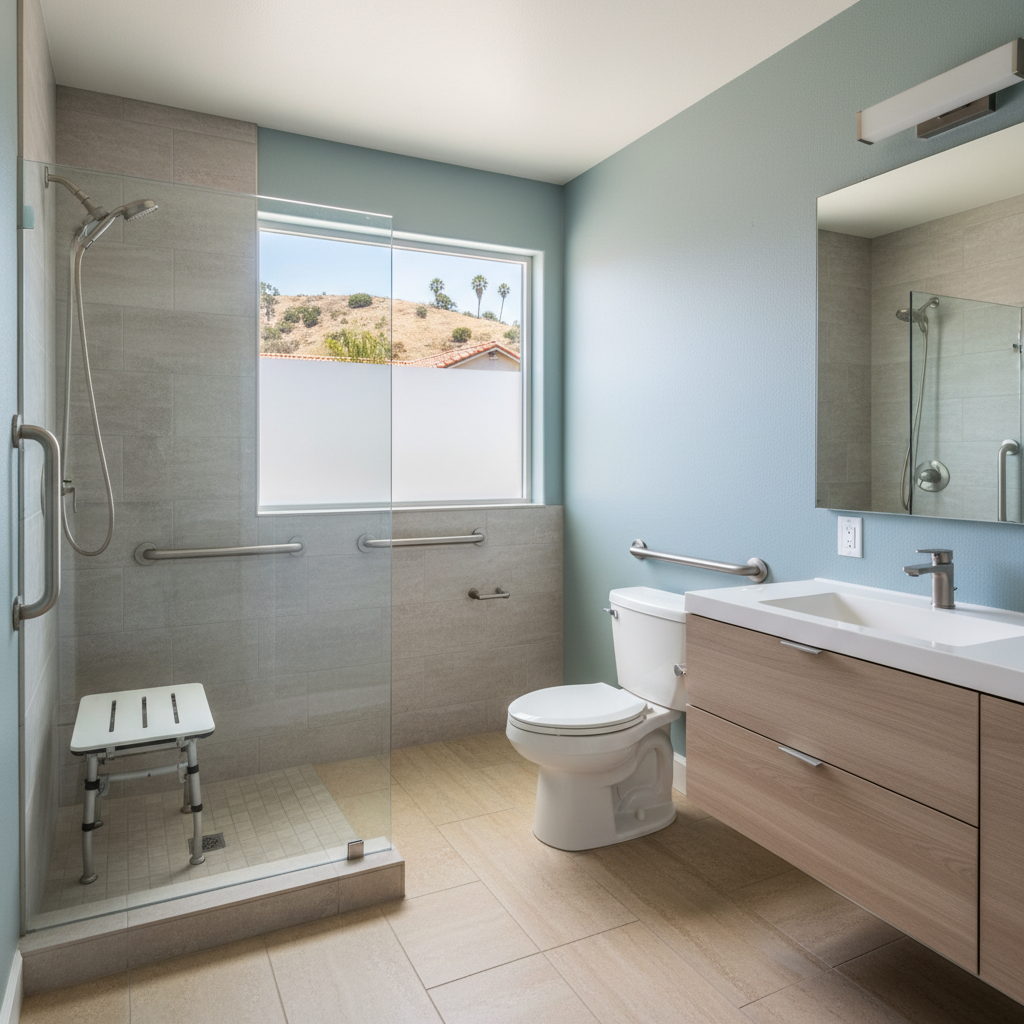
So, you've got yourself a fantastic accessible bathroom. Maybe Azusa Bathroom Solutions helped you put it in, or perhaps another local contractor did the work. Either way, it's a big deal — a real investment in your comfort, safety, and independence. You want that bathroom to keep serving you well for years, right? That means you've got to take care of it. It's not just about keeping things clean; it's also about knowing how to make it last, what warning signs to look for, and when to get some help.
Making Your Accessible Bathroom Last Longer
The biggest thing you can do to extend your accessible bathroom's life is to be thoughtful about how you use it and keep up with some simple, regular maintenance. Think about the materials we often use here in Azusa. We're constantly battling hard water, especially if you live closer to the foothills where the minerals can be pretty concentrated. That hard water leaves deposits on grab bars, shower seats, and fixtures. Not only does it look bad, but it can also wear down finishes over time. Wiping things down after each use, especially in the shower, makes a huge difference. Grab a squeegee or a microfiber cloth. It only takes a minute, but it stops that buildup that's a real pain to clean later.
Also, pay attention to weight limits. Grab bars, shower seats, and even toilet supports are built to handle specific loads. Don't use them for things they weren't designed for, like hanging heavy laundry or pulling yourself up with excessive force if you can help it. They're tough, sure, but they're not indestructible. Keeping the area around roll-in showers clear and making sure wheels on shower chairs aren't dragging or getting caught on transitions helps prevent wear and tear on your flooring and thresholds.
Your Maintenance Checklist
Here’s a quick list of things you should be doing regularly:
- Clean surfaces often: Stick to non-abrasive cleaners. Harsh chemicals can damage the finishes on grab bars, shower seats, and even your tile grout. For those stubborn hard water spots, a vinegar and water solution often works wonders without being too aggressive.
- Check grab bars and supports: Give them a gentle tug every month or so. Are they still firmly attached to the wall? Any wobbling? This is super important for safety.
- Inspect shower seats and benches: Look for cracks, loose screws, or any signs of corrosion, especially if it's a folding seat. Make sure it locks securely when you use it.
- Examine the flooring: Look for any loose tiles, peeling vinyl, or worn spots, especially around the shower entrance or toilet. Water can sneak under there and cause much bigger problems.
- Test your plumbing fixtures: Make sure faucets aren't dripping and the showerhead isn't leaking. Check the toilet for any running water. Even small leaks can lead to water damage over time, which is a big deal in our humid Azusa summers.
- Clean those drains: Hair and soap scum build up, it's just a fact of life. Use a drain snake or a biological drain cleaner regularly to prevent clogs. Chemical drain cleaners, by the way, can be pretty harsh on your pipes.
- Check accessible hardware: Are the lever handles on doors and faucets still smooth to operate? Do door hinges squeak or stick? A little lubricant can go a long way, believe me.
Warning Signs of Trouble
You're not just looking for obvious breaks, you know? Sometimes, problems start small, almost invisibly. Here are a few things that should definitely raise a red flag:
- Wobbly grab bars or shower seats: This is a major safety concern. Please, don't ignore it.
- Cracks in tile or grout: Especially around the shower or tub. That's an open invitation for water to get behind the walls, which can lead to mold or structural damage.
- Musty smells: If you're catching a damp or moldy scent, especially after a shower, it means there's moisture hiding somewhere it shouldn't be.
- Slow drains or standing water: This is usually a sign of a clog that's just starting to form.
- Water stains on walls or ceilings: Pretty obvious sign of a leak, wouldn't you say?
- Corrosion or rust on fixtures: This indicates wear and tear, and it could mean the material is starting to degrade.
- Difficulty operating accessible features: If a lever handle is stiff or a door is hard to open, it needs attention.
When It's Time to Call a Professional
Look, some things you can absolutely handle yourself. Cleaning, tightening a loose screw on a shower seat, sure. But there are times when you really need to call in someone who knows what they're doing. Don't try to fix a wobbly grab bar if you're not sure how it's anchored. You could just make it worse or compromise its safety. If you see significant cracks in tile or grout, particularly in the shower, that's a job for a pro. They can assess how much water damage there might be and fix it correctly.
Any persistent leaks, mysterious water stains, or a strong musty smell means you need an expert to find the source and repair it before it turns into a huge, expensive problem. If your accessible toilet or shower isn't working right, or if you're noticing any issues with the structural integrity of your accessible features, it's time to call us or another reputable contractor. We've seen it all, and we can usually diagnose and fix things much faster and more safely than if you try to DIY a complex issue. Your accessible bathroom is there to make your life easier and safer; don't let maintenance issues get in the way of that.