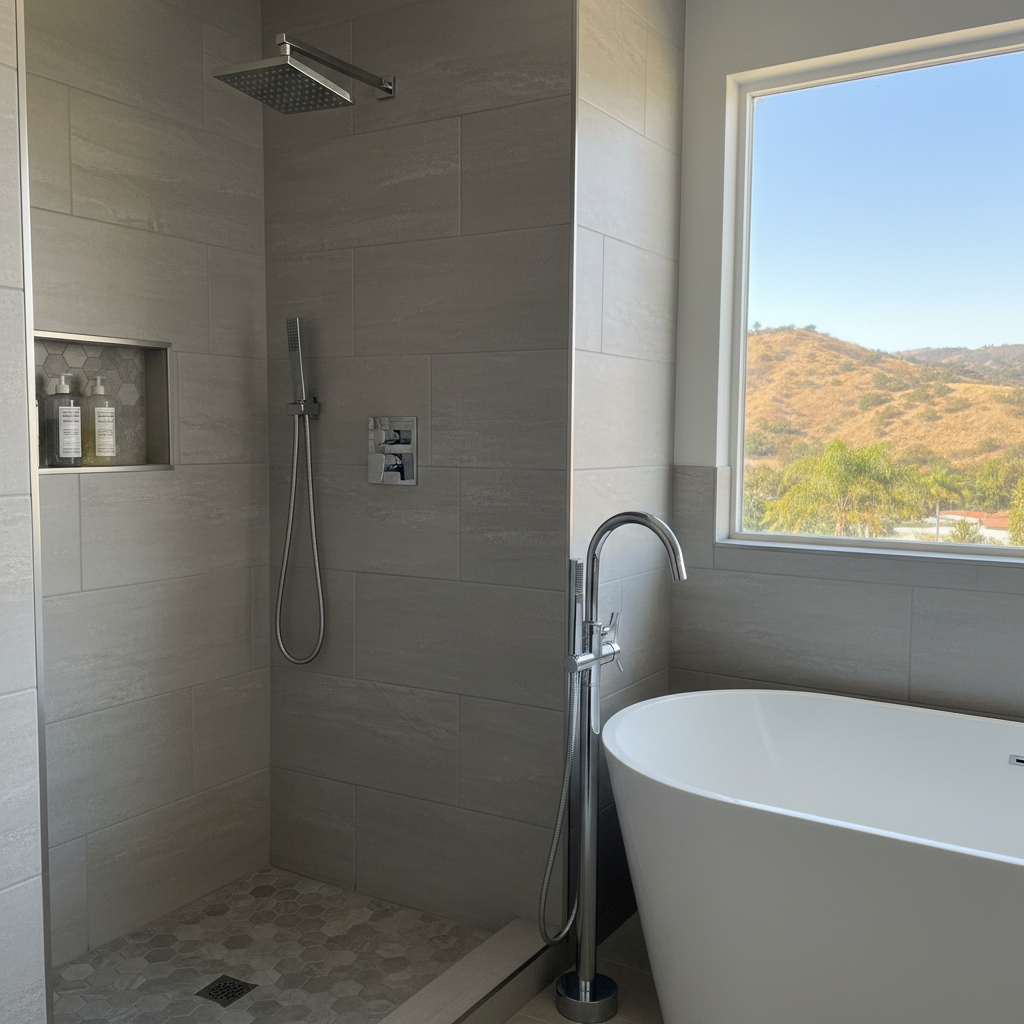
Alright, let's talk bathtubs and showers. You're probably looking at that old unit in your Azusa home and thinking, "It's definitely time for an upgrade." Maybe it's just a leaky faucet, or a cracked tub, or hey, maybe you just want a fresh look. Whatever the reason, one of the first questions that pops into your head is usually, "Can I do this myself, or do I really need to call someone?"
As a local contractor who's seen a lot of bathrooms in this town — from the older ranch homes near Citrus to the newer builds up in Rosedale — I can tell you there's a big difference between a weekend warrior project and something that truly needs a skilled hand. Let's break down what you need to know before, during, and after a bathtub or shower installation.
Before You Start: Planning & Permits
First things first: planning is absolutely everything. You wouldn't start a road trip without a map, right? Well, your bathroom remodel is no different.
- Measure Twice (or Thrice): This sounds obvious, but honestly, you'd be surprised. Get accurate measurements of your existing space and the new unit you're eyeing. A slight miscalculation can lead to ordering the wrong size, and believe me, that's a real headache.
- Check Your Plumbing: Are you just swapping out a like-for-like unit, or are you moving things around? If you're changing the layout, like moving the drain or showerhead, that's a whole different ballgame. You need to verify your current plumbing setup and make sure it's compatible with the new design.
- Permits, Permits, Permits: This is a big one in Azusa. Any plumbing, electrical, or structural changes usually require a building permit. The City of Azusa adopts the California Building Standards Code, which includes the California Plumbing Code. This code spells out requirements for everything from pipe sizes to drainage and venting. Skipping permits might seem like a shortcut, but it can cause huge problems down the line, including fines, issues with insurance, or even being forced to tear out work. Trust me, you don't want that. If you're doing anything beyond a simple fixture swap, you'll likely need a permit.
- DIY or Pro?: If your project is just a simple cosmetic upgrade, like replacing a showerhead or a faucet without touching the pipes behind the wall, you might be able to handle it yourself. But if you're talking about removing an old tub, installing a new shower pan, or rerouting any plumbing, that's where you really need to consider a pro.
During the Project: The Nitty-Gritty
So you've planned everything out. Now comes the actual work.
Demolition: Where You Can Save Some Cash
Taking out the old stuff? That's often something a handy homeowner can tackle. Turn off the water supply first, of course. Then, carefully remove existing fixtures, tiles, or enclosures. Just be prepared for what you might find. I've seen everything from ancient plumbing configurations to hidden water damage and mold behind old tubs. If you find any of that, don't ignore it. That's a sign to pause and address it properly.
Installation: This is Where Expertise Shines
This is the part where the line between DIY and professional gets pretty clear. Installing a new tub or shower isn't just about dropping it in place.
- Subfloor and Framing: Once the old unit is out, you need to inspect the subfloor and walls. They need to be level, clean, and structurally sound. If there's any damage, it needs to be repaired. This is critical for the long-term integrity of your new installation, especially if you're installing a heavy tub or a tiled shower.
- Plumbing Rough-In: This involves setting up the shower valve, showerhead, and drain assembly. It's not just hooking up pipes; it's about making sure the slope is right for drainage, the pipe sizes are correct, and the seals are watertight. Even small mistakes here can lead to leaks, water damage, or code violations. This is typically a job for a licensed plumber.
- Shower Pan/Base Installation: A waterproof base is the foundation of any shower. Whether it's a pre-fabricated pan or a custom-built mortar bed, it needs to be installed perfectly level and properly waterproofed. Improper waterproofing is one of the biggest reasons for costly failures down the road.
- Wall Prep and Waterproofing: Before you put up any wall panels or tile, the walls around your shower or tub need proper waterproofing. This often involves specific backer boards like DensShield with built-in moisture barriers. This isn't just about preventing mold; it's protecting your home's structure.
- Setting the Tub/Shower Unit: Carefully move the new unit into place, making sure it's level, and connect the drain and overflow. For tubs, you might need a ledger board for support.
- Fixtures and Finishes: Install the shower arm, showerhead, faucet, and other accessories. Then there's the caulking, grouting, and sealing. Getting these right isn't just for looks; it's crucial for preventing water intrusion.
Honestly, for most of these installation steps — especially anything involving plumbing, waterproofing, or structural support — I'd strongly recommend calling a professional. Mistakes here aren't just cosmetic; they can lead to serious and expensive damage. Who needs that kind of headache?
After the Project: Testing & Enjoying
Once everything's installed, you're not quite done.
- Test for Leaks: Turn the water supply back on and thoroughly check all plumbing connections for any leaks. Run the shower or fill the tub and watch closely. Don't rush this step.
- Curing Time: Many sealants and adhesives need time to cure properly before the shower or tub can be used. Follow the manufacturer's recommendations.
- Final Inspection (if applicable): If you pulled permits, make sure you schedule and pass your final inspection with the city. This confirms the work was done to code and protects your investment.
Look, I get the appeal of DIY. Saving money on labor is a big draw. And for some smaller tasks, you absolutely can do it yourself. But when it comes to something as critical as a bathtub or shower installation, where plumbing, waterproofing, and structural integrity are involved, the risks of a DIY gone wrong often outweigh the initial savings. Hidden leaks, mold, structural damage, or code violations can cost you way more in the long run than hiring a professional from the start.
At Azusa Bathroom Solutions, we've got the experience to handle these projects right, ensuring everything is up to code and built to last. Don't hesitate to reach out if you're unsure. It's always better to ask than to end up with a costly problem.